

Try it honestly. Twenty minutes on your phone after a long day, then pause and notice how you actually feel. Probably not that relaxed. A little wired maybe, kind of foggy, definitely not the calm you were chasing when you picked the thing up in the first place. That’s not really you lacking willpower, by the way. Apps built for endless scrolling aren’t designed to help anyone unwind. They’re built to keep your attention bouncing around, which is basically the opposite of what a tired brain actually needs at the end of a long day.
Books do something completely different, and most people who’ve drifted away from reading forget just how different it actually feels. A phone’s constant switching, fresh stimulation every few seconds. A book asks you to stay on one single thing for a while, which sounds kind of boring written out like that, but it tends to put you in a totally different, way calmer headspace once you actually settle into it.
Why Sinking Into a Book Feels Nothing Like Sinking Into a Screen
Attention behaves differently depending on what you’re asking it to do. Fragmented attention, the kind phones demand nonstop, tends to keep your nervous system a little keyed up, always half-waiting for the next notification or next swipe. Sustained attention, the kind reading actually requires, lets that keyed-up feeling drop off, which is probably why so many people describe reading as genuinely relaxing in a way scrolling almost never manages.
It’s not just a feeling either – it lines up with how people actually describe their evenings afterward. An hour of scrolling rarely leaves anyone feeling more settled than they started. An hour of actual reading, even a demanding or heavy book, tends to leave people feeling more grounded, not less, almost regardless of what the book’s actually about.
The “I’ll Read More Eventually” Trap
Plenty of people genuinely want to read more and somehow never quite get there, reaching for their phone instead almost every single night without really deciding to. That’s not a character flaw either. Phones are built to be the path of least resistance – always within reach, always dangling some small hit of novelty that a book sitting on your nightstand simply can’t compete with on convenience alone.
Structure tends to close that gap way more reliably than motivation ever does. Browsing book subscriptions online has become a genuinely popular move for people rebuilding reading back into their evenings, mostly because a subscription strips out a lot of the friction that lets phones win by default every single night. A book that’s already picked, already waiting, with a discussion already on the calendar, competes with a phone a lot better than some vague, unscheduled plan to “read more someday” ever could.
Why Having Somewhere to Actually Talk About It Matters More Than You’d Think
A phone technically offers constant social contact, sure, but it’s rarely the kind that leaves anyone feeling genuinely connected afterward. Reading, paired with real discussion, tends to offer something a lot closer to actual connection, the kind that comes from talking through ideas and reactions with people who sat with the exact same material you did.
This is where a health and wellness online book club really stands apart from either solo reading or scrolling. It’s not just about consuming more content, which is mostly what your phone offers anyway. It’s about actually processing that content together, out loud, with people who are genuinely listening instead of half-scrolling their own feed while pretending to pay attention.
Rebuilding a Habit That’s Competing Directly With Your Phone
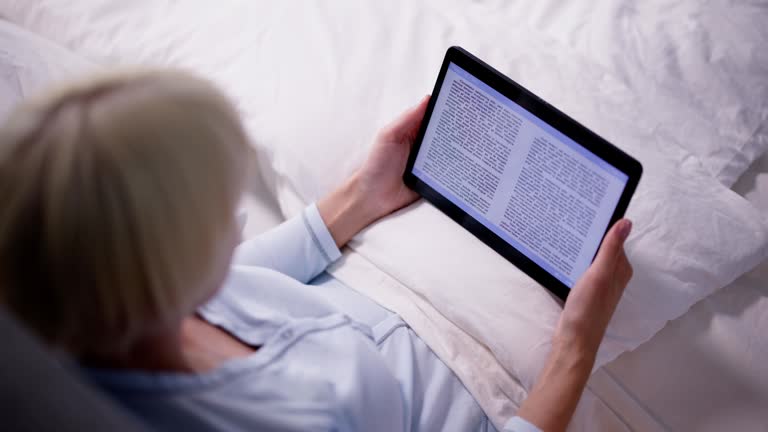
Reading’s realistically competing with your phone for the exact same chunk of evening time, so it helps to be honest about that competition instead of assuming willpower alone will just sort it out. Keeping an actual book somewhere visible, more convenient than wherever your phone charger lives, tends to tip the easy option back in reading’s favor. Starting with shorter reading sessions helps too, since going head-to-head against an entire evening’s worth of scrolling habit all at once rarely works out right away.
A Few Small Changes Worth Actually Trying
Charging your phone outside the bedroom, even just for an hour before reading, tends to remove the single biggest source of competing stimulation in the room. Picking books that genuinely grab your attention, not ones chosen purely out of obligation, makes the early habit-building stretch a lot easier to stick with. And having an actual discussion on the calendar tends to work far better than just hoping motivation shows up consistently on its own.
Reading offers a kind of rest your phone was never really built to give you in the first place. The Cultured Book Club supports exactly that shift through a health and wellness online book club built around sustained, meaningful reading instead of constant, fragmented stimulation.
FAQs
Why does scrolling feel relaxing in the moment but not afterward?
It tends to offer little bursts of stimulation that feel engaging while it’s happening, but that stimulation doesn’t really give your nervous system time to settle, which is why the calm usually doesn’t stick around.
Do audiobooks give you the same benefit as reading on a page?
For a lot of people, yeah, especially for the sustained-attention part. The format matters less than just staying locked into one single thing for a while.
Is it realistic to fully swap scrolling out for reading?
Not really necessary for most people, honestly. Even partially shifting some of that evening scrolling time toward reading tends to make a noticeable difference in how settled you feel overall.
How long does it usually take to build reading back into a nightly habit?
Varies by person, but most people notice a real shift within a few consistent weeks, especially with some kind of outside structure backing the habit up.
Does the type of book actually matter for this kind of benefit?
A bit, yeah. Books that genuinely hold your attention tend to work better than ones picked out of obligation, since real engagement is what’s actually driving the calming effect.