
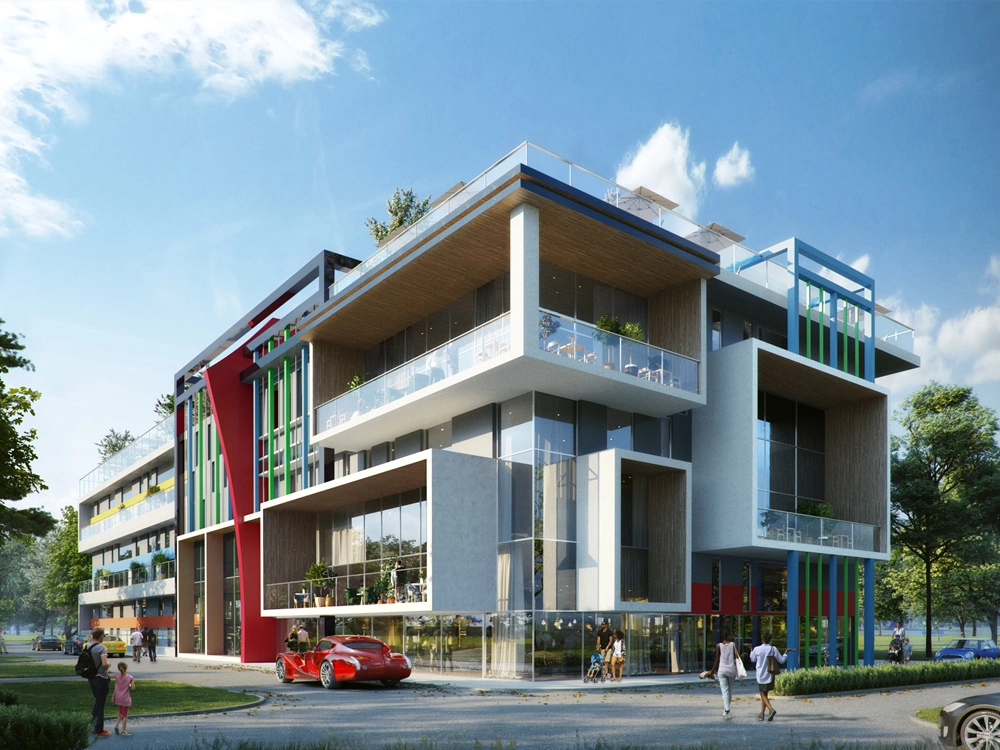
Visualization and design competition culture are both changing quickly. Tools that once took hours to produce a single image can now respond in seconds, and juries increasingly see entries on screens rather than printed boards. At the same time, global participation in international architecture competitions continues to grow, raising the bar for communication and craft. For architects and students, keeping up with these trends can mean the difference between a forgettable entry and a memorable one. This article looks at developments shaping the field, from real-time rendering to interactive presentation, and explains how a 3D exterior rendering service can help teams adapt without losing sight of the fundamentals. Understanding these shifts helps you invest your time and budget wisely.
Real-Time Workflows in International Architecture Competitions
Real-time rendering lets designers adjust lighting, materials, and camera angles instantly. This speeds up exploration and makes client reviews more interactive.
For competition teams, faster iteration means more time to refine the idea. Still, polished final images remain important, and many studios mix real-time and traditional methods.
Cloud rendering and collaborative review platforms also help. Teams spread across the world can comment directly on images and track versions, reducing delays and keeping everyone aligned.
Many teams now prepare both a polished still image set and a short animation, so entries can adapt to different submission formats without starting from scratch.
Studios are also investing in tools that update images quickly when a design changes, which helps teams respond to feedback without losing days.
Immersive and Interactive Formats
Virtual reality, 360 views, and short animations are becoming more common in presentations. They give viewers a stronger sense of scale and space.
As more competitions accept digital submissions, these formats may play a growing role. However, they should serve the concept, not replace it.
Accessibility matters. Not every juror or client has special hardware, so offer viewing options that work on ordinary screens, with immersive extras as optional additions.
Keep an eye on the technical rules for digital submissions, including file size, resolution, and permitted media. Rules vary by competition, so check each brief carefully.
Sustainability and Storytelling
Juries and clients increasingly care about environmental performance. Visuals can help communicate green roofs, daylighting, passive design, and landscape strategies in an understandable way.
Storytelling remains central. A clear narrative, supported by honest, precise imagery, is more persuasive than technical flourishes alone.
Expect more attention to the authenticity of images. As automated tools become more common, juries and clients may value transparency about how visuals were produced and confidence that they truly represent the design.
Jurors are people, and clarity respects their time. As entries grow in number, concise communication will continue to be an advantage.
Following Industry News
Staying informed helps teams anticipate expectations. Aimir CG publishes industry news and trends, a handy place to read about developments in visualization and the world of international architecture competitions. Combine that reading with your own research into past winning entries and current brief requirements.
Test new tools on small projects before relying on them for a major submission, and ask studios about real experience with the formats you want.
Finally, treat learning as part of the process. Review each submission after the results, note what worked, and carry those lessons into the next entry.
Watch for how winning entries communicate, not just what they propose. Patterns in composition and storytelling reveal what juries respond to, and they can inform your own approach without limiting your creativity.
Conclusion
Tools change, but communication stays at the heart of success. Keep an eye on trends, choose technology that serves your idea, and work with a 3D exterior rendering service that pairs precision with strong visuals. In international architecture competitions, clarity and craft will continue to stand out.

