

Cryptocurrency has made it easier for people to send, receive, and manage money in a digital way. But with that freedom comes a big responsibility. Unlike a normal bank account, a crypto wallet often puts the user in full control of access and security. That is why crypto wallet safety matters so much. If someone loses a recovery phrase, clicks a fake link, or shares private information by mistake, the damage can be serious. A crypto wallet is not just an app on a phone or computer. It is the key to your funds, tokens, NFTs, and blockchain activity. Understanding how to protect it can help users avoid scams, reduce mistakes, and feel more confident in the crypto world.
Why Crypto Wallet Protection Matters Today
Crypto wallets work differently from traditional financial accounts. With a bank, users may be able to report fraud, block a card, or recover access through customer support. In crypto, things are not always that simple. Many blockchain transactions cannot be reversed once they are confirmed.
This means the user must be extra careful. If someone gets access to a wallet’s private key or recovery phrase, they may be able to move funds without permission. In many cases, there is no easy way to get those funds back.
Crypto scams have also become more common. Fake websites, fake wallet apps, phishing emails, social media messages, and fake support agents often target new users. These scams are designed to look trustworthy. That is why learning wallet protection is not optional anymore. It is a basic part of using cryptocurrency safely.
Understanding How Crypto Wallets Work
Many beginners think a crypto wallet stores coins the same way a regular wallet stores cash. But that is not exactly how it works. A crypto wallet stores the access information needed to interact with a blockchain. The coins or tokens stay recorded on the blockchain, while the wallet lets the user manage them.
There are different types of wallets. A software wallet may be used through a mobile app, desktop program, or browser extension. These wallets are convenient because they are easy to access. However, they can be risky if the device is infected or if the user clicks unsafe links.
Hardware wallets are physical devices that keep sensitive access information offline. They are often used by people who want stronger protection for long-term storage. Exchange wallets are another option, where a platform manages the wallet access for the user. They may be simple for beginners, but users must trust the platform’s security.
The Role of Private Keys and Recovery Phrases
Private keys and recovery phrases are the most important parts of wallet security. A private key allows wallet activity. A recovery phrase is usually a set of words that can restore access to a wallet if a phone, computer, or wallet app is lost.
These details should never be shared. No real wallet provider, exchange support team, or crypto service should ask for your recovery phrase. If someone asks for it, it is almost always a scam.
The safest approach is to write the recovery phrase on paper and store it offline in a secure place. Avoid saving it in screenshots, emails, notes apps, cloud storage, or chat messages. Online storage may seem easy, but it can become dangerous if an account gets hacked.
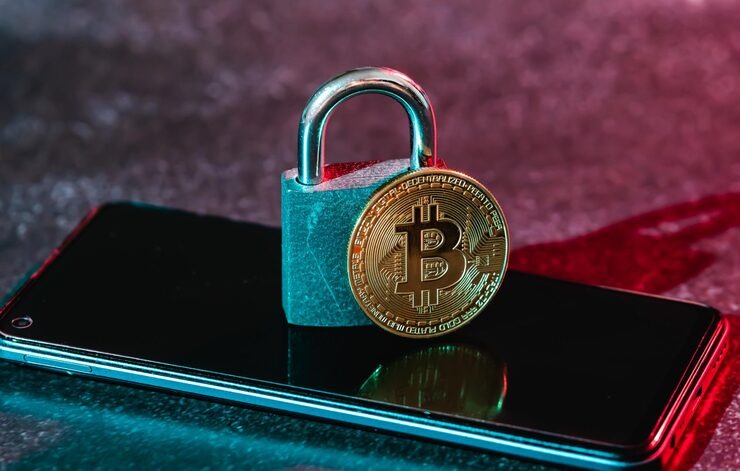
Common Crypto Wallet Risks Users Should Know
Phishing is one of the biggest risks for crypto users. A fake website may look almost identical to a real wallet or exchange login page. If a user enters details there, attackers may steal the information.
Fake apps are another problem. Some scam apps copy the name, logo, and design of trusted wallet services. Users should only download wallet apps from official websites or trusted app stores. Even then, it is smart to check reviews, developer details, and website links.
Malware can also put wallets at risk. A harmful file or unsafe download can track passwords, copy wallet information, or replace wallet addresses during transactions. This is why users should keep devices updated and avoid downloading unknown software.
How to Store Digital Ownership Safely
Crypto wallets are often used to manage coins, tokens, NFTs, and other blockchain-based holdings. These are forms of digital assets, and they need careful protection. Losing access to a wallet can mean losing access to everything connected to it.
One smart habit is to separate daily-use wallets from long-term storage wallets. A user may keep a small amount in a convenient wallet for regular activity while keeping larger holdings in a more secure wallet. This way, if one wallet is exposed, the entire balance is not at risk.
Before sending crypto, users should always check wallet addresses carefully. A single wrong character can send funds to the wrong place. For large transactions, sending a small test amount first can help avoid costly mistakes.
Strong Passwords and Two-Factor Authentication
A strong password is one of the simplest ways to improve wallet and account safety. Users should avoid using names, birthdays, phone numbers, common words, or passwords they already use on other websites.
Every crypto account should have a unique password. If the same password is used across many websites, one data leak can put multiple accounts at risk. A password manager can help users create and store stronger passwords without needing to remember each one.
Two-factor authentication adds another layer of protection. It requires a second step before login, such as a code from an authentication app. Authentication apps are usually safer than SMS codes because phone numbers can sometimes be targeted through SIM-swap attacks.
Avoiding Fake Support and Social Media Scams
Crypto scams often appear in social media comments, direct messages, forums, and messaging apps. Scammers may pretend to be support agents, recovery experts, giveaway hosts, or investment advisors. Their goal is usually to make users share private details or send funds.
A common trick is urgency. A scammer may say an account is at risk, a reward is waiting, or a problem must be fixed immediately. Users should slow down and check everything carefully before taking action.
If wallet support is needed, visit the official website directly. Do not click random links from messages or comments. Also avoid sharing screenshots that may show wallet details, transaction information, or account data.
Why Device Security Is Also Important
A wallet can only be as safe as the device used to access it. If a phone or computer is infected, outdated, or shared with others, wallet safety becomes weaker.
Users should keep operating systems, browsers, wallet apps, and antivirus tools updated. Updates often fix security problems that attackers may try to use. Delaying updates can leave a device open to avoidable risks.
Public Wi-Fi should also be used carefully. It is better not to access wallets, exchanges, or financial accounts on unsecured networks. Devices should also be locked with strong PINs, passwords, or biometrics.
Responsible Crypto Habits for Beginners
New users should take time to learn before making large transactions. Crypto can feel exciting, but mistakes can happen quickly. Understanding wallet types, transaction fees, blockchain confirmations, and platform rules can prevent confusion.
It is also wise not to keep everything in one place. Users can reduce risk by using trusted platforms, keeping backups secure, and reviewing account activity regularly.
Crypto wallet safety protects access, but it does not remove market risk. Prices can still rise or fall. Users should avoid treating online content as financial advice and should make careful decisions based on their own research.
Conclusion
Crypto wallet safety is one of the most important things every cryptocurrency user should understand. A wallet gives access to funds, tokens, NFTs, and blockchain activity, so protecting private keys, recovery phrases, passwords, and devices should always be a priority. Simple habits like using strong passwords, enabling two-factor authentication, avoiding suspicious links, and storing recovery phrases offline can prevent many common problems.
As crypto becomes more popular, scams will continue to evolve. The best protection is awareness. Users who understand how wallets work, use trusted sources, protect sensitive details, and move carefully are in a much better position to stay safe. With the right habits, crypto users can manage their wallets with more confidence and reduce the risks that come with digital finance.
FAQs
What is crypto wallet safety?
Crypto wallet safety means protecting your wallet access, private keys, recovery phrases, passwords, and devices so your crypto account is less exposed to scams, theft, or loss.
Why should I never share my recovery phrase?
A recovery phrase can restore access to your wallet. If someone else gets it, they may control the wallet and move funds without your permission.
Are hardware wallets safer than software wallets?
Hardware wallets can offer stronger protection because they keep sensitive information offline. However, they still need careful storage and responsible use.
How can I avoid crypto wallet scams?
Avoid suspicious links, ignore fake support messages, download apps only from official sources, check website addresses carefully, and never share private keys or recovery phrases.
Is crypto wallet safety the same as investment safety?
No. Wallet safety helps protect access and reduce security risks, but it does not protect users from market volatility, price changes, or risky financial decisions.
Explore More Crypto Safety Guides
Read more helpful updates about crypto awareness, wallet protection, blockchain security, and safer digital finance habits.